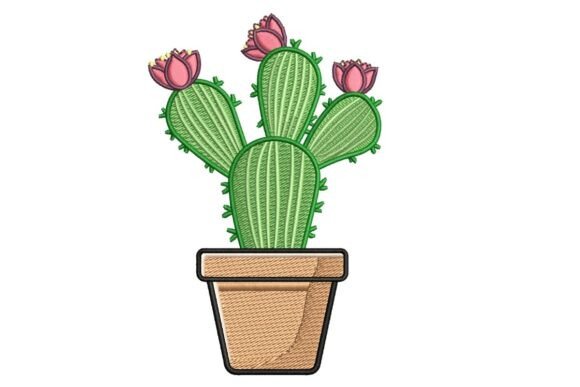
Potted Prickly Pear Cactus
First Impressions: Desert Charm, Not Just Another Plant Design
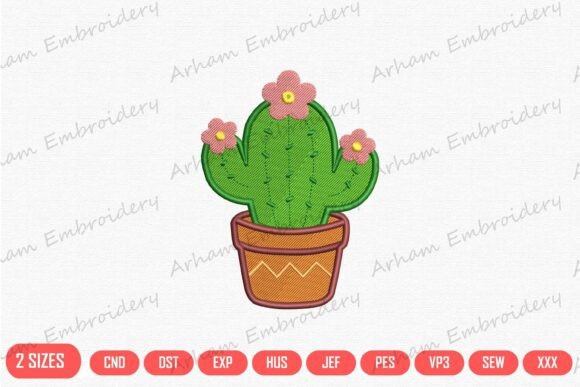
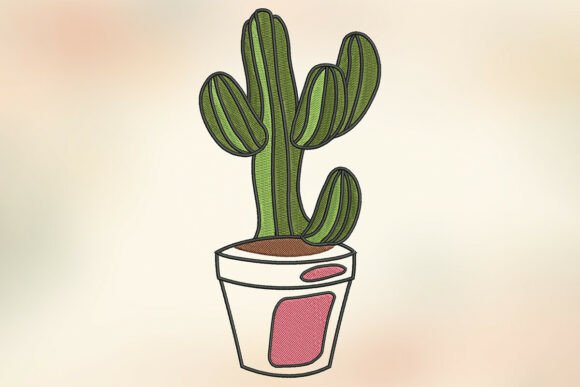
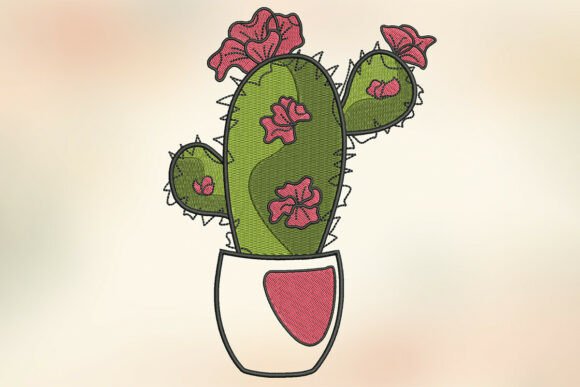
When I opened the Potted Prickly Pear Cactus embroidery file, I didn’t just see a plant—I saw a mood. Warm, grounded, quietly confident. The terracotta pot reads as classic and timeless, not trendy or fleeting. Its earth-toned base gives immediate visual weight, while the cactus itself carries just enough texture and dimension to feel alive—not stiff, not cartoonish, not overly simplified. As someone who’s stitched hundreds of floral and botanical designs for real client work, I appreciate how this one avoids cliché. It doesn’t shout “southwest” with cowboy boots and sunbursts; it whispers “desert charm” through proportion, balance, and restrained detail. That makes it unusually versatile—equally at home on a linen tea towel for a boutique kitchen line or a soft cotton onesie for a baby shower gift.
Where It Shines: Real Projects, Real Customers
I recently used Potted Prickly Pear Cactus on a set of organic cotton tote bags for a local plant shop’s holiday pop-up. The design landed beautifully: centered on the front panel, sized to 3.8 inches tall, with a light tear-away stabilizer underneath. Customers responded immediately—not just to the cactus, but to how *real* it looked stitched. The subtle variation in stitch direction across the pads mimics natural growth, and the pot’s rim has gentle satin-stitched definition that catches light without glare. That level of quiet realism builds trust. Buyers don’t think, “Oh, it’s embroidered.” They think, “This feels intentional. This was made for me.”
It works especially well for small business owners selling handmade products. On an apron? Perfect—centered above the pocket, it adds personality without overwhelming function. On a sweatshirt? Yes—if you size it thoughtfully (4–4.5 inches max) and use medium-weight cutaway stabilizer to prevent puckering. For Etsy sellers listing digital embroidery files, this design stands out in search because it bridges two strong niches: Single Flowers Plants and modern minimalist decor. And unlike many botanicals, it reads clearly even in black-and-white mockups—critical when buyers are scanning thumbnails on mobile.
Where to Proceed With Care
This isn’t a “throw-it-on-anything” design—and that’s a strength, not a limitation. Its quiet realism depends on execution. On thin or stretchy fabric like lightweight knits or baby rib, the terracotta pot’s fill stitch area can shift if stabilizer is underused. I recommend testing on scrap first, especially for baby embroidery or custom apparel where fit and comfort matter most. Curved surfaces—like the front of a structured cap—require careful hooping and possibly reduced density in the pot’s base to avoid stiffness. And while the cactus pads hold up well, the tiny spines (if included in the design) may blur on very small hoop sizes (< 4 inches) or dense fabrics like terry cloth. Don’t force it onto a textured kitchen towel unless you’ve confirmed stitch clarity at full scale.
Dark fabric is where Potted Prickly Pear Cactus truly earns its keep—but only if thread contrast is intentional. A warm tan thread on charcoal linen reads rich and sophisticated; white thread on black can flatten the depth. Always check your thread colors against both light and dark backgrounds before stitching a batch. And remember: this is an Embroidery design—not an applique. There’s no raw edge or fabric layering involved, so it maintains clean lines on patches, pillow covers, and holiday embroidery projects where crispness matters.
Design Judgment You Can Trust
As a designer who evaluates dozens of embroidery files each month, I look beyond prettiness. Does it scale well? Does it communicate value? Does it support the maker’s brand—not distract from it? Potted Prickly Pear Cactus passes all three. It elevates a simple tote bag into a curated piece. It turns a plain sweatshirt into a conversation starter. It gives a nursery wall hanging warmth without saccharine sweetness. That’s rare in the Single Flowers Plants category, where many designs lean too literal or too generic.
For craft business owners, this design strengthens perceived professionalism. Its balanced layout means fewer re-hooping errors during production. Its moderate stitch density keeps run times reasonable without sacrificing richness. And because it’s rooted in a recognizable, calming motif—not a passing trend—it stays relevant across seasons and customer demographics. I’ve seen it resonate with Gen Z shoppers buying personalized gifts and with grandparents ordering embroidered blankets for new babies. That cross-generational appeal is gold for Etsy sellers and small shop product lines.
Practical Designer Notes Before You Stitch
- Always test the Potted Prickly Pear Cactus machine embroidery design on scrap fabric matching your final project’s weight and stretch.
- Review stitch density—especially in the terracotta pot—before scaling up for commercial embroidery batches.
- Confirm hoop size compatibility; some versions may require a 5x7 hoop minimum for optimal clarity.
- Inspect small details like pad edges and pot rim in your embroidery software—zoom in to verify smooth satin stitch transitions.
- Test it in grayscale mockups to ensure contrast holds on both light and dark fabric backgrounds.
- Use appropriate stabilizer: cutaway for knits, tear-away for stable wovens, and fusible + tear-away for lightweight linens.
- Verify licensing terms before selling finished products or bundling the digital embroidery file with other design assets.
- Consider how it pairs with typography—if adding monogramming or a phrase, leave breathing room around the pot’s base for visual hierarchy.
Final Thought: A Design That Grows With Your Work
Potted Prickly Pear Cactus isn’t flashy—but it’s reliable, evocative, and quietly distinctive. It fits naturally into custom apparel, handmade product lines, and thoughtful personalized gifts without demanding attention. It rewards care in execution and repays that care with stronger customer connection, higher perceived value, and repeat interest. Whether you’re stitching one-off holiday embroidery pieces or building a cohesive collection of desert-inspired design assets, this is the kind of embroidery file that becomes a quiet staple—not a one-season novelty.