Wild Daisy Stems – Simple Floral
A Craft Fair Designer’s First Look: Fresh, Friendly, and Booth-Ready
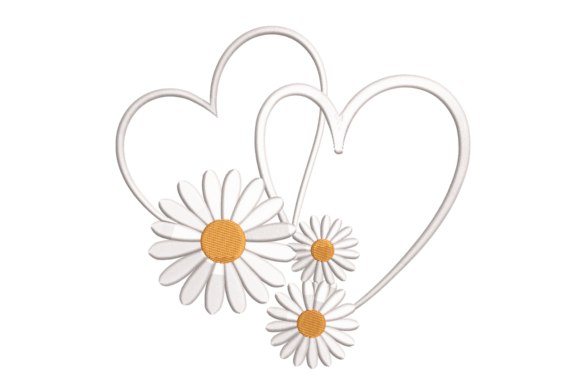
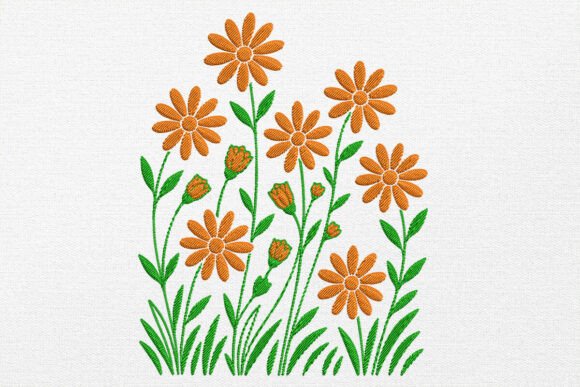
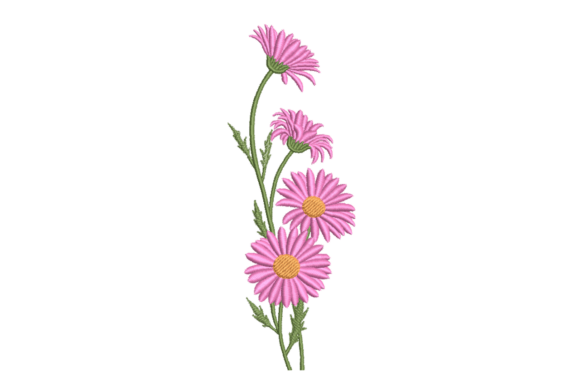
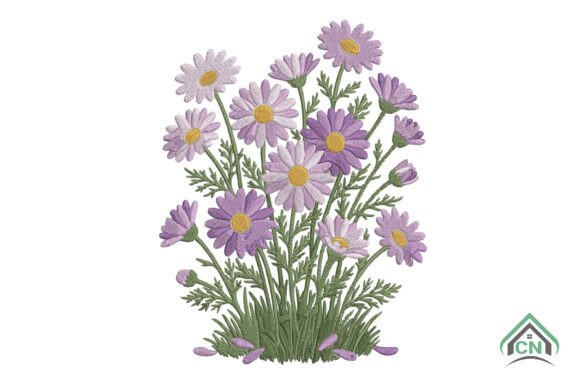
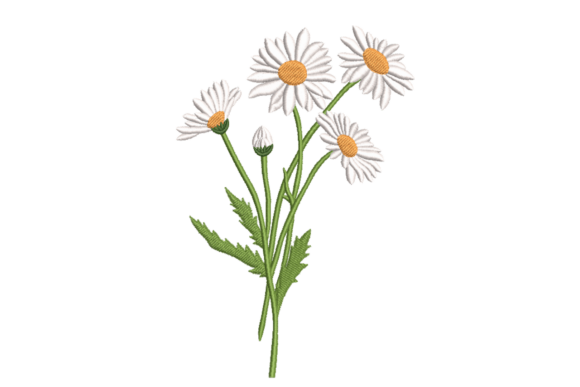
As someone who’s stitched, sold, and restocked at over 40 craft fairs and handmade markets, I opened Wild Daisy Stems – Simple Floral expecting charm—and got clarity. This isn’t a fussy botanical illustration or a dense filler motif. It’s a single-stem wild daisy with clean lines, open petals, and subtle stem movement—immediately readable as “fresh,” “unfussy,” and quietly confident. The title tells the truth: it’s simple, floral, and rooted in nature—not nostalgia, not irony, not trend-chasing. That makes it ideal for makers who sell to customers seeking authenticity, not clutter.
Where Wild Daisy Stems – Simple Floral Shines on Real Products
In my booth setup—tote bags stacked upright, aprons draped over a ladder rack, tea towels folded beside embroidered pouches—Wild Daisy Stems – Simple Floral performs strongest where simplicity reads as intention. On a natural linen tote bag, centered low near the hem? Instant warmth and approachability. On a cotton apron pocket, scaled to 3.2 inches tall? It feels like a quiet signature—not loud, but unmistakably handmade. As tea towel embroidery, placed just above the bottom border, it balances utility and beauty without competing with stains or splashes.
It’s equally effective as an embroidered patch—especially when backed with iron-on adhesive for DIYers—or stitched onto the front of a drawstring fabric pouch. On pillow covers, it holds its own on both solid-color and subtly textured fabrics (think oatmeal-weave cotton or washed linen), especially when paired with neutral thread colors like ecru, sage, or soft butter yellow. For caps, I’d place it cleanly on the front panel—not curved over the crown—and keep it under 2.5 inches wide to avoid distortion.
What Makes It Sell at Market—and Online
Wild Daisy Stems – Simple Floral earns attention fast. At a glance, it’s legible from six feet away—no squinting, no decoding. That’s critical when shoppers walk past dozens of booths in under two minutes. Its minimalism also translates beautifully into printable mockups for Etsy listings: clean white background, soft shadow, one consistent angle. No need for heavy styling or props—the design carries the mood.
For batch production, it’s highly repeatable. Low stitch density means faster run times, less thread breakage, and fewer stabilizer adjustments across different fabric textures. It scales reliably from 2 inches (for patches or cap fronts) up to 5 inches (for pillow covers or market bag flaps) without losing definition. And because it avoids tight curls, tiny stamens, or micro-detailing, it stays crisp on textured towels and medium-weight canvas—no “mushy” edges or lost petal shapes.
Smart Placement, Smarter Perception
- Tote bag design: Centered, lower third—feels grounded and generous.
- Apron embroidery: Pocket corner or chest placement—adds personality without overwhelming function.
- Embroidered patch: Ideal for small shops offering customization or bundle add-ons.
- Tea towel embroidery: Works best on lighter weaves; avoid terry cloth unless using cutaway + tear-away combo stabilizer.
- Digital embroidery file: A versatile asset—pair it with coordinating stems or leaves later to build a full Single Flowers Plants collection.
Careful-Use Notes Every Embroidery Designer Should Know
While Wild Daisy Stems – Simple Floral is forgiving overall, don’t skip testing. Its clean lines can blur on dark fabric if thread contrast is too low—always test with your final thread palette (e.g., light ecru on navy denim needs extra stabilizer and possibly denser top tension). Avoid stitching it directly onto heavily textured surfaces like thick waffle-weave towels without additional hooping support or floating stabilizer.
On curved cap fronts, confirm hoop size compatibility—some versions of this machine embroidery design may require a 4” x 4” hoop minimum. If your file includes optional leaf accents or stem extensions, check spacing between elements before scaling down below 2 inches—tight gaps can merge in stitch-out. And never assume commercial licensing is included: verify rights before selling finished products like embroidered market bags or wholesale aprons.
Why It Strengthens Your Handmade Brand—Not Just Your Booth
This embroidery design quietly elevates perceived value. It doesn’t scream “handmade”—it whispers quality through restraint. Customers notice the even stitch tension, the thoughtful petal spacing, the way the stem bends with gentle realism. That builds trust in your small shop product, whether they’re buying from your Etsy seller storefront or picking up a gift at a local boutique.
In display terms, Wild Daisy Stems – Simple Floral creates cohesion. When repeated across tote bags, tea towels, and pouches in the same thread palette, it becomes a visual anchor—reinforcing brand consistency without needing logos or labels. It also invites engagement: shoppers often point and say, “That daisy—I want that on *my* apron.” That’s buyer engagement you can’t script.
Final Designer Checklist Before You Stitch
- Test the digital embroidery file on scrap fabric matching your production material.
- Check thread contrast—especially on dark or printed fabrics.
- Review spacing between stem and petals at your target size; zoom in on the design preview.
- Confirm hoop size requirements—don’t assume it fits a 3.5” x 3.5” hoop without verifying.
- Inspect stitch density—low-to-moderate is ideal for speed and clarity on most cottons and linens.
- Choose stabilizer based on fabric texture: cutaway for knits, tear-away for stable wovens, floating for towels.
- Create at least one real mockup—not just a digital render—before committing to a full batch.
- Compare how it looks on multiple fabric colors (cream, charcoal, sage) to guide your product palette.
- Verify commercial use rights—this is non-negotiable for any craft fair product or finished product you plan to resell.
Wild Daisy Stems – Simple Floral isn’t flashy—but it’s dependable, saleable, and deeply aligned with what today’s handmade shoppers truly respond to: quiet confidence, botanical sincerity, and the kind of thoughtful detail that says, “I made this for you—not just for the booth.” That’s why it stays in my go-to folder, season after season.