Cute Flower Embroidery: A Designer’s Real-World Review
First Impressions: Charm Without Clutter
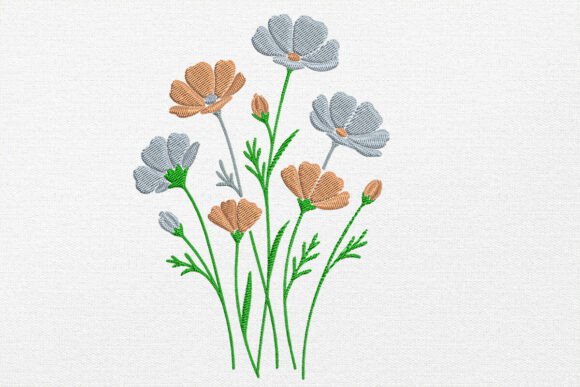
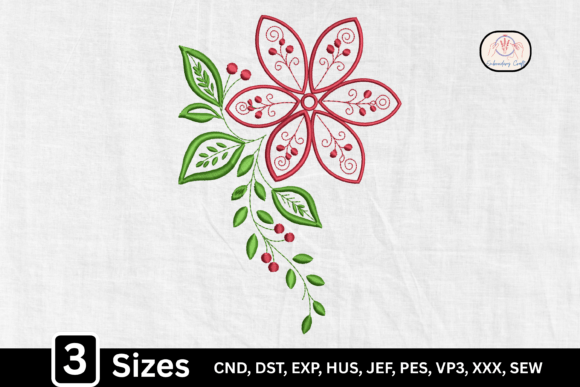
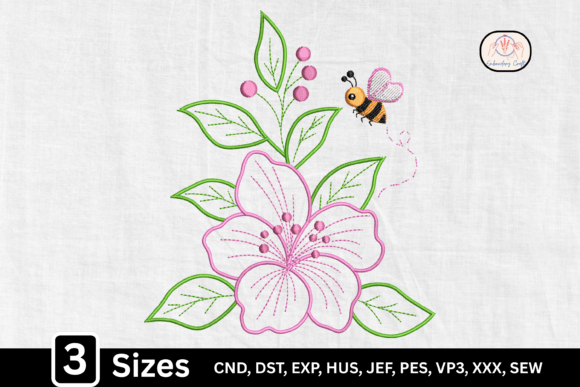
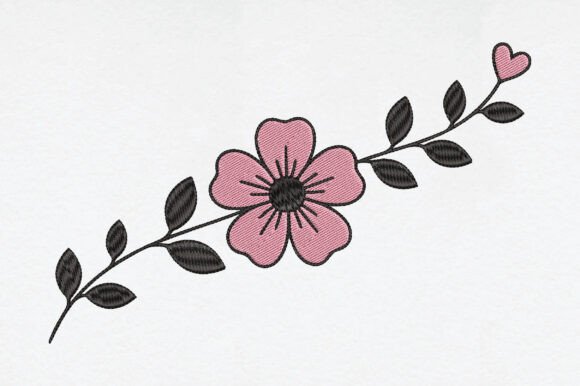
When I opened Cute Flower Embroidery, what struck me wasn’t just its sweetness—but its restraint. This isn’t a fussy, over-layered floral motif. It’s a single, friendly bloom with gentle curves, open petal spacing, and clean line work that reads clearly even at small scales. The mood is warm, approachable, and quietly confident—like a hand-drawn sketch translated thoughtfully into stitch. As a designer who regularly selects embroidery files for client projects and my own craft business, I immediately sensed its versatility: it wouldn’t shout over fabric texture or compete with other design elements. It belongs in the Single Flowers Plants category not because it’s basic, but because it’s focused—intentional in its simplicity.
Real-Life Test: Stitching It on a Linen Tea Towel
Last week, I used Cute Flower Embroidery to finish a set of custom kitchen towels for a local boutique. We chose medium-weight natural linen—a fabric that shows every stitch decision. With light stabilizer and 40-weight cotton thread in soft butter yellow and sage green, the design stitched cleanly in under 90 seconds. No skipped stitches. No thread breaks. The satin-stitched center held crisp definition, while the fill-stitched petals stayed airy—not dense or plasticky. Customers loved how “handmade but polished” it felt. That’s the quiet strength of Cute Flower Embroidery: it elevates a simple item without demanding attention. It doesn’t need a story to land—it just *belongs*.
Where It Shines (and Where It Needs Thought)
Cute Flower Embroidery works beautifully across a range of real-world applications:
- Custom apparel: On crewneck sweatshirts and relaxed-fit tees, it reads as cheerful and personal—not juvenile or overly cutesy.
- Baby embroidery: Its open layout avoids bulky stitch buildup, making it ideal for onesies and burp cloths where softness matters.
- Embroidered patch: Clean edges and moderate size mean it converts well to sew-on or iron-on patches for backpacks or denim jackets.
- Tote bag design: Centered on canvas or cotton duck, it adds warmth without overwhelming the structure.
- Holiday embroidery: Paired with subtle metallic thread or seasonal colors (think cranberry red + ivory), it softens traditional motifs for modern gifting.
But—and this is where experience kicks in—Cute Flower Embroidery needs thoughtful placement on certain materials:
- Avoid ultra-thin fabrics like chiffon or lightweight rayon unless you use tear-away + cutaway stabilizer combo—petal outlines can shadow or pucker.
- On stretchy knits (e.g., baby bodysuits or lounge sets), hoop with light spray adhesive and stabilize generously—running stitch outlines may shift if tension isn’t dialed in.
- Dark fabric? Test contrast first. Light pastel threads won’t pop on navy or charcoal without careful color selection—try heather gray or oatmeal instead of stark white.
- Curved surfaces like caps require re-hooping or digitized cap versions—this machine embroidery design is optimized for flat goods unless otherwise noted.
Design Integrity Meets Commercial Reality
For Etsy sellers and small shop owners, Cute Flower Embroidery delivers quiet professionalism. It doesn’t scream “handmade” with chaotic energy—it whispers craftsmanship through balance and clarity. That builds customer trust: buyers recognize intentional design, not just decoration. When used on personalized gifts—say, a monogrammed pillow cover with this bloom tucked beside the initials—it adds emotional resonance without clutter. In boutique branding, it supports consistency: imagine it repeated subtly along a hemline or embroidered on packaging tags. It’s flexible enough for digital product previews and printable mockups, yet grounded enough to hold up in physical finished product photography.
Practical Notes Every Embroidery Designer Should Check
Before stitching Cute Flower Embroidery into your next project—or listing it in your shop—here’s what I do every time:
- Test on scrap fabric matching your final material—especially for nap, stretch, or weight.
- Review stitch density visually in your embroidery software. Is the center too dense for baby items? Are petal edges sharp enough on textured weaves?
- Confirm hoop size. If it’s tight for your machine’s smallest hoop, consider resizing proportionally—not just scaling down.
- Inspect small details like stem tips or petal separation. Do they vanish on dark thread/light fabric combos?
- Check black-and-white mockups. Does the shape still read clearly without color cues?
- Use proper stabilizer—light cutaway for knits, tear-away for stable wovens, fusible for patches.
- Verify licensing. If you’re selling finished items or bundling this digital embroidery file in a craft bundle, confirm commercial use rights upfront.
Final Thought: Simplicity With Substance
Cute Flower Embroidery isn’t flashy—but then, the best design assets rarely are. It’s the kind of embroidery design that makes customers pause mid-scroll on Etsy, that earns compliments on a handmade apron at a craft fair, that feels equally at home on a nursery mobile or a holiday gift tag. It supports your voice as a designer rather than competing with it. Whether you're building a craft business, launching small shop merchandise, or creating personalized gifts, this piece earns its place—not because it’s trendy, but because it’s well-made, well-considered, and ready for real life. And in the world of Embroidery, that’s the highest compliment you can give a design.