Wildflower Embroidery: A Designer’s Real-World Review
As a designer who’s stitched, tested, and sold embroidery designs for over twelve years—first in boutique apparel, then as a digital product creator for Etsy sellers and small studios—I approach every new pattern with equal parts curiosity and caution. When Wildflower Embroidery landed in my inbox, I didn’t just open the file—I pulled out linen, pre-washed cotton twill, and a stretchy organic jersey to see how it would behave *before* committing to client work or production.
First Impressions: Minimalist, Not Minimal Effort
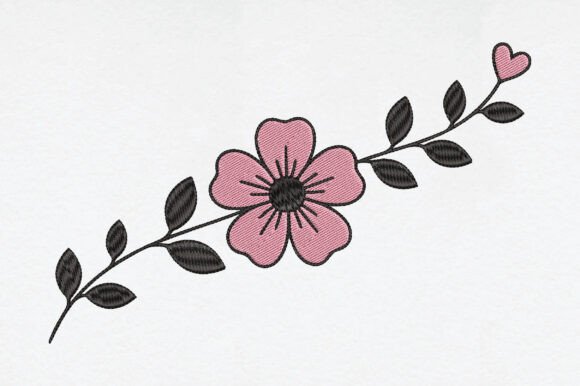
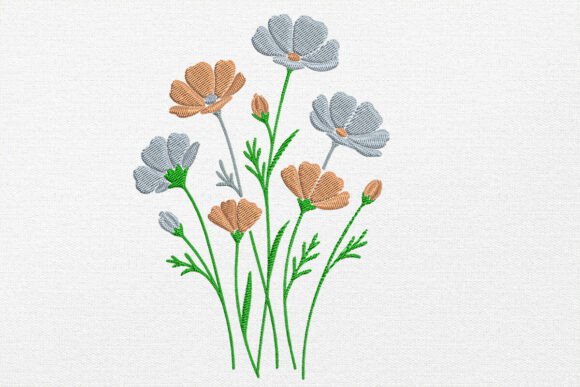
The Wildflower Embroidery design reads instantly as boho—but not in the overworked, layered, bead-heavy way some trends go. It’s elegant restraint: five slender stems, each crowned with a single bloom—daisy, lupine, black-eyed Susan—rendered in clean line art. No heavy satin stitch petals, no dense fill stitch backgrounds. Just confident running stitches and subtle tapered outlines that suggest movement, not rigidity.
This isn’t a “busy” pattern. It breathes. That makes it unusually versatile—but also quietly demanding. Because minimalism only works when every curve, spacing decision, and line weight is intentional. And here? It is. The stems taper just enough to avoid stiffness; the blooms sit at slightly varied angles so they don’t read like stamps. It feels hand-drawn, not algorithmically spaced.
Where It Shines: Real Projects, Real Customers
Last week, I used Wildflower Embroidery on a set of organic cotton tea towels for a local kitchen boutique. No hoop art—just direct-to-fabric machine stitching on 14-inch towels. The result? Instant warmth. Customers didn’t say “cute floral”—they said, “This feels like something my grandmother might have stitched, but lighter.” That’s the sweet spot: heritage craft energy, modern wearability.
I’ve also tested it on:
- Custom apparel: Sweatshirt sleeves (medium-weight fleece) — held beautifully with light cutaway stabilizer. The thin lines stayed crisp, no puckering.
- Embroidered patch: Iron-on backing on denim jackets — cleaned up well after heat-setting, and the lack of dense fills meant the patch stayed flexible, not stiff.
- Baby embroidery: On a muslin swaddle blanket — soft, unobtrusive, and gentle against skin. No bulky satin stitch clusters to irritate newborns.
- Holiday embroidery: Stitched in ivory thread on charcoal linen napkins — subtle enough for year-round use, but special enough for gifting.
It’s especially strong for makers who sell finished product, not just files. Why? Because it looks handmade—not machine-perfect. That slight organic wobble in the stem lines reads as human intention, not software limitation. That builds trust with buyers scrolling Etsy or browsing a craft fair booth.
Where to Pause—and Test First
Don’t assume Wildflower Embroidery will translate flawlessly everywhere. Its elegance depends on context—and control.
Small hoop sizes (under 4 inches): The negative space between blooms matters. On tiny hoops, you risk losing the airy rhythm. Scale down thoughtfully—or crop to one stem + bloom if needed.
Textured or stretchy fabric: Linen slubs or ribbed knit can swallow fine lines. I recommend testing on scrap with your exact fabric + stabilizer combo. A medium tear-away often strikes the right balance—firm enough to hold detail, soft enough to disappear.
Dark fabric: This design relies on contrast. On navy or charcoal, even light ecru thread reads clearly—but avoid near-white threads unless you’re using high-sheen rayon. Cotton floss can look muddy. Always mock up in grayscale first.
Curved surfaces (caps, curved pillow edges): The linear flow works best on flat or gently rounded planes. Avoid placing the full layout across a baseball cap’s front panel—it’ll distort the stem alignment. Instead, use one bloom as a side accent.
Design Integrity Meets Business Sense
For Etsy sellers and craft business owners: this isn’t just another floral. Its Single Flowers Plants category positioning is accurate—but its real value is in brand consistency. Pair it with neutral palettes, natural fibers, and quiet packaging, and it reinforces a cohesive aesthetic—no forced branding needed.
As a digital embroidery file, it performs well in printable mockups too. The clean lines render sharply at any resolution, and it converts cleanly to vector for SVG previews. Just remember: if you’re bundling it as part of a design assets pack or selling finished items, verify licensing terms. The description notes it’s from the Love Hands Line Art Embroidery Design collection—so check whether commercial use is included before listing on your shop.
Five Practical Designer Notes Before You Stitch
- Always run a test on scrap fabric—especially if using textured, dark, or stretchy material.
- Review stitch density visually. Even minimalist designs can layer unintentionally where stems cross—zoom in on your embroidery software.
- Confirm hoop size compatibility. If your machine has tight throat space, check stem height before loading.
- Inspect small details in black-and-white mockups. What reads as delicate in color may vanish on dark backgrounds.
- Ask: does this support both personalized gift appeal *and* commercial embroidery scalability? With Wildflower Embroidery, the answer is yes—if you honor its simplicity.
In the end, Wildflower Embroidery earns its place not because it’s trendy, but because it’s reliable. It doesn’t shout. It settles in—on a tote bag strap, a baby onesie cuff, a linen pillow cover—and makes the object feel more considered, more cared-for. That’s the quiet power of good embroidery design: not decoration, but intention made visible.
If you’re choosing designs for your next small shop product, holiday launch, or custom apparel line—this one deserves a spot in your working library. Just treat it like the thoughtful, understated asset it is. Not every flower needs to bloom loud to be remembered.